Discover Roof Repair for Storm Damage
Essential Roofing Maintenance Guidelines to Prolong the Life of Your Roof
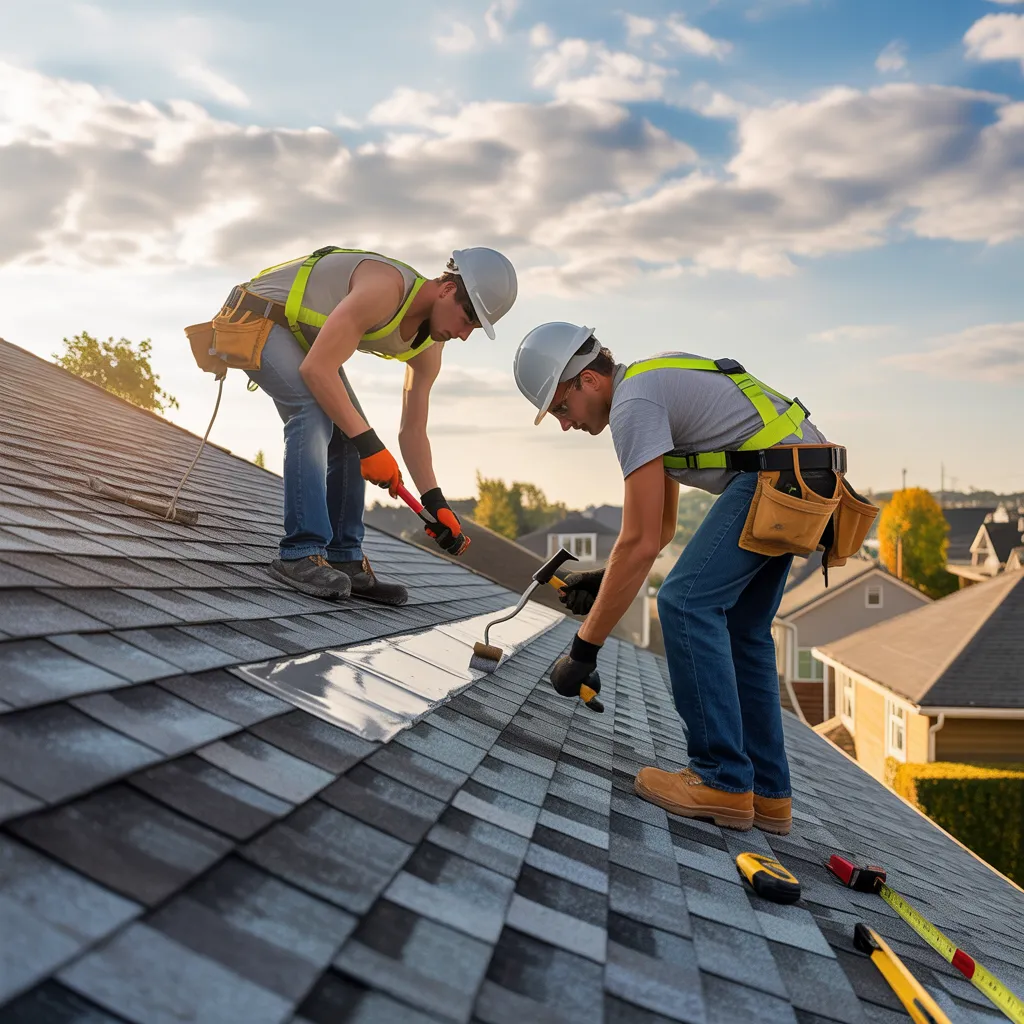
Preserving a roof is vital for its lifespan. Frequent assessments can spot emerging issues before they intensify. Recurring challenges, such as compromised roofing materials or obstructed channels, need rapid response. The decision of components for remediation significantly influences longevity. Homeowners frequently consider whether to conduct fixes on their own or engage a specialist. Learning about regular upkeep can likewise serve a vital component. Given these points in mind, which indicators should point to it's time for a roof overhaul?
Check Your Roof On a Regular Basis
Consistent inspections, twice per year, are essential for maintaining the condition of a roof. These assessments help identify potential problems before they become costly maintenance. Homeowners should review both the interior and exterior portions of their roofs, focusing on shingles, flashing, and gutters. Additionally, monitoring for wear indicators, such as cracks, missing shingles, or degraded flashing, can reduce water damage and lengthen the roof's lifespan.
Weather-related variations can affect roofing components, making timely inspections essential. For instance, after severe weather events, it's especially important to assess any damage. Homeowners should utilize binoculars for a safe view of high areas and think about hiring a expert for a comprehensive inspection. Documenting findings during each inspection can also help with tracking the roof's condition over time, ensuring informed decisions about maintenance and repairs. Regular inspections ultimately contribute to a more secure and long-lasting roofing system.
Common Roofing Troubles You Have to Mend Today
Many property owners disregard critical roof concerns that need immediate attention to stop additional deterioration. Frequent concerns involve missing or damaged shingles, which can lead to moisture damage and structural weakness. Another major issue is the presence of moss or algae, which can retain dampness and compromise roofing materials over time. Additionally, flashing around chimneys and vents commonly breaks down, permitting water infiltration and result in extensive damage.
Pooling water on flat roofs represents another issue requiring immediate attention, as it boosts the risk of leaks and structural complications. Homeowners should stay attentive when inspecting gutters; full gutters can result in overflow and water damage affecting both the roof and the home’s foundation. Addressing these challenges rapidly not only helps preserve the roof’s integrity but also saves homeowners from costly repairs later on. Consistent maintenance and timely repairs are key to maintaining long-lasting roof health.
Picking Materials for Roof Work
When selecting roof products for repair work, homeowners must think about factors including durability, climate suitability, and visual appeal. The selection of roof product significantly influences the performance and lifespan of your roofing structure. For example, asphalt shingles remain a preferred option because of their cost savings and straightforward installation, making them fitting across varying climates. On the other hand, metal roofing delivers superior durability and storm protection, which proves excellent for locales vulnerable to significant snowfall or harsh weather.
Additionally, homeowners should evaluate the material's upkeep needs. Tile and slate may offer a striking look but often require more maintenance and can be heavier, necessitating additional structural reinforcement. In the end, selecting the appropriate substances entails balancing functionality and visual appeal while making sure that they comply with local building codes. By making informed choices, homeowners can improve the durability of their roof systems and extend their longevity effectively.
Should DIY Roofing Better or Hiring a Professional the Right Choice?
When evaluating roofing maintenance, homeowners must compare the advantages and disadvantages of doing the work on their own versus hiring a professional. Important considerations include the expertise and knowledge needed, associated costs, and the time and safety implications of the undertaking. This decision can significantly affect both the result of the restoration and the homeowner's peace of mind.
Abilities and Experience Needed
Determining whether to handle roof maintenance as a do-it-yourself undertaking or engage a skilled roofing contractor depends on the individual's abilities and expertise. Those with a background in construction, carpentry, or roofing may feel assured in their capacity to complete fundamental maintenance. Familiarity with tools and safety protocols is crucial, as roof work poses inherent risks. However, novice property owners may find themselves overwhelmed by the intricacies of roof structures, including materials, structural integrity, and weather protection methods.
Retaining a professional roofer guarantees that repairs meet industry standards and extend the roof's lifespan. A certified roofing professional brings expert understanding, training, and experience, reducing the likelihood of costly mistakes. Ultimately, the decision should reflect one's capability and comfort level with such a significant undertaking.
Cost Evaluation
Understanding the financial factors is essential for homeowners weighing the choice of DIY roof fixes against hiring a professional. DIY undertakings can reduce expenses on labor costs, but homeowners must consider supplies, tools, and potential mistakes that may lead to further expenses. In comparison, hiring a contractor may seem more expensive upfront, but it often includes warranties and guarantees on work finished. Experts typically have access to high-grade supplies at reduced prices, which can offset some costs. Additionally, they bring knowledge that may avoid costly errors. Ultimately, evaluating the complexity of the repair, the property owner's skill level, and budget constraints will direct the choice between DIY and expert help.
Time and Security Variables
Time and safety are vital factors that homeowners must consider when contemplating roof repairs. DIY projects may be tempting because of cost savings, but they often demand substantial time effort and can lead to risky situations, especially for those without experience. Climbing ladders, handling tools, and maneuvering steep roofs carry risks, including major injuries. On the other hand, hiring a skilled roofer usually assures that repairs are done effectively and safely, as these experts are trained to manage such tasks. Furthermore, professionals often provide assurances on their work, giving peace of mind. In the end, homeowners should balance their skills, availability, and the complexity of the repairs when deciding whether to handle the project themselves or enlist the help of a qualified contractor.
Seasonal Maintenance Suggestions for Your Roof
Seasonal maintenance is vital for extending the durability of a roof. Regular checks can identify wear and tear that may remain hidden, while gutter cleaning helps prevent water accumulation and potential water intrusion. These easy steps can significantly boost the structural integrity of a roofing structure.
Inspect For Damage
Consistent checks for wear and tear are essential to protecting a roof's durability. Homeowners should perform these examinations at least two times per year, optimally in spring and fall. During these inspections, they should closely look at shingles for fractures, curling, or absent tiles. Additionally, it's necessary to check the flashing around chimneys and vents, as this area is vulnerable to water seepage. Signs of moisture harm, such as stains on ceilings or walls, should not be overlooked. Observing the roof from the ground can also reveal sagging or uneven areas that may point to structural issues. By spotting potential problems early, homeowners can take proactive measures to repair damage and extend the lifespan of their roofs, ultimately saving on costly repairs in the future.
Keep your rain channels on a regular schedule
Cleaning gutters at least twice a year is necessary for roof care. Clogged gutters can cause water to overflow, leading to risk of damage to the roof, fascia, and foundation. When debris accumulates, it blocks proper drainage, increasing the danger of leaks and roof rot. Scheduled maintenance helps confirm that rainwater drains effectively, protecting the structural integrity of the home. In addition to reducing water damage, clean gutters also deter pests that may nest in stagnant water or debris. Homeowners should consider inspecting gutters after heavy storms or seasonal changes, as these conditions can accelerate buildup. Utilizing a professional service or following safety protocols while cleaning can further enhance the longevity of the roof and overall home health.
Signs It's Time to Upgrade Your Roof
What indicators tell homeowners it's the right moment to get a new their roof? Several key signs suggest the requirement for a new roof. One major sign is visible wear, such as missing or curling shingles. If granules from asphalt shingles pile up in gutters, it indicates significant deterioration. Homeowners should also inspect for moisture marks on ceilings or walls, which can suggest leaks. In addition, if daylight is visible through the roof boards in the attic, this may point to foundational issues.
An important element to evaluate is the roof's age. Most roofs have a life expectancy of 20 to 30 years, so if the roof is approaching the end of its expected life, replacement should be considered. Finally, significant storm damage can necessitate a replacement. By identifying these signs, homeowners can make well-researched decisions about maintaining the longevity and safety of their homes.
Frequently Asked Questions
When Should I perform regular Roof inspections?
Roof inspections should take place at least two times per year, optimally in spring and fall. Additionally, after intense weather situations, homeowners should inspect for harm to assure longevity and stop costly repairs from developing issues.
What Are Typical Indicators of Roof Damage?
Roof damage commonly shows shingles that are cracked or missing, water stains on ceilings, sagging areas, granule loss in gutters, and mounting energy bills. Such indicators reveal developing issues calling for timely repairs and inspection to prevent progressive damage.
What Effect Does Climate conditions Have on My Roof?
Weather considerably impacts roofs through elements like rain, snow, wind, and extreme temperatures. Continuous exposure can cause wear, leaks, and structural damage, necessitating regular upkeep and assessments to assure long-term integrity and performance.
What Is the Average Lifespan of a Roof?
An average roof's life expectancy generally varies between 20 to 50 years, contingent on the materials employed, installation quality, and important information care. Consistent inspections and quick repairs can greatly influence its long-term durability and total performance.
Are there guarantees for roof repairs?
Yes, many roofing companies provide warranties for roofing repairs, which can differ in timeframe and coverage. Homeowners should thoroughly review the conditions to understand what is covered and maintain proper maintenance for long-term durability.